Personal Plant Assistant
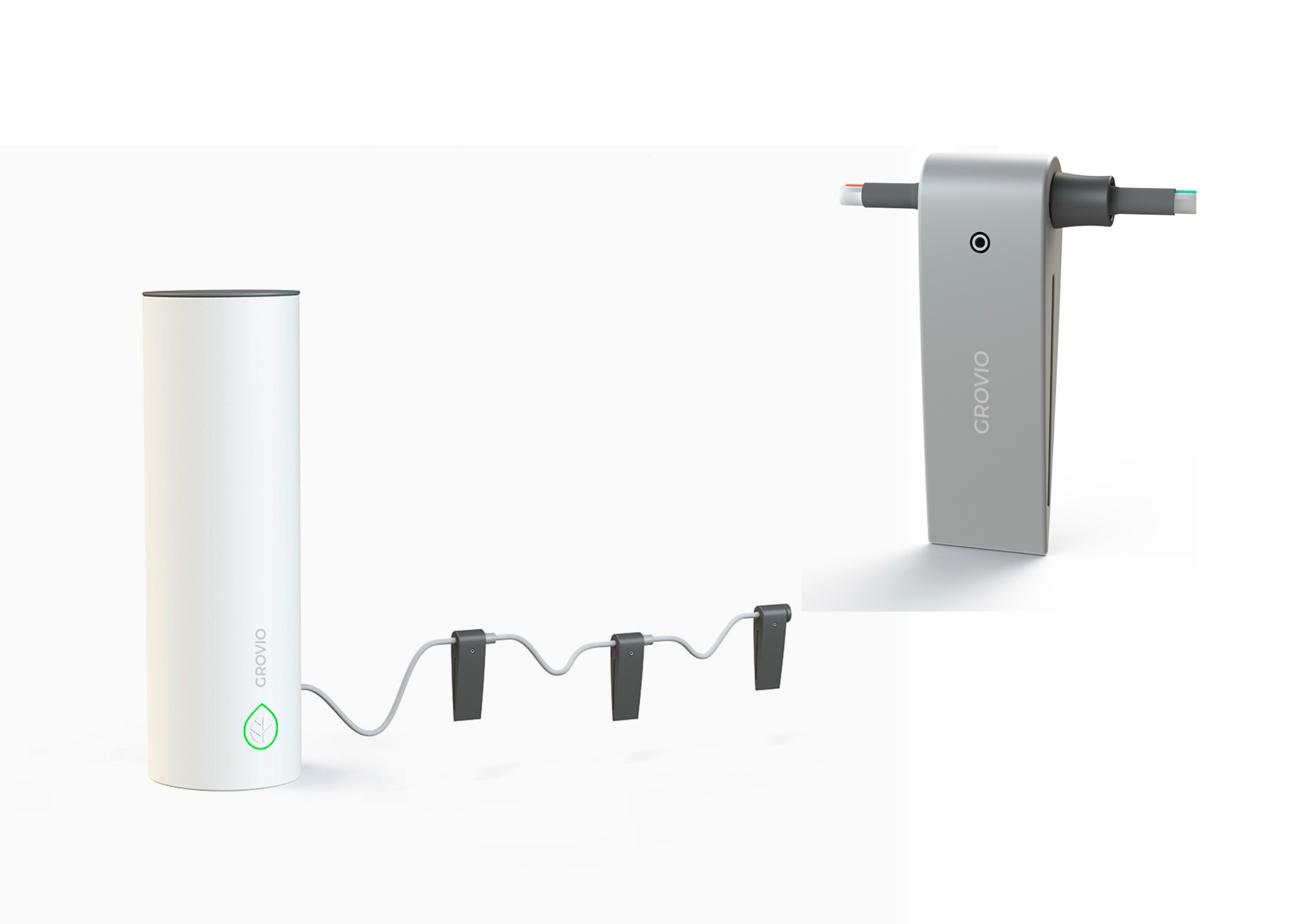
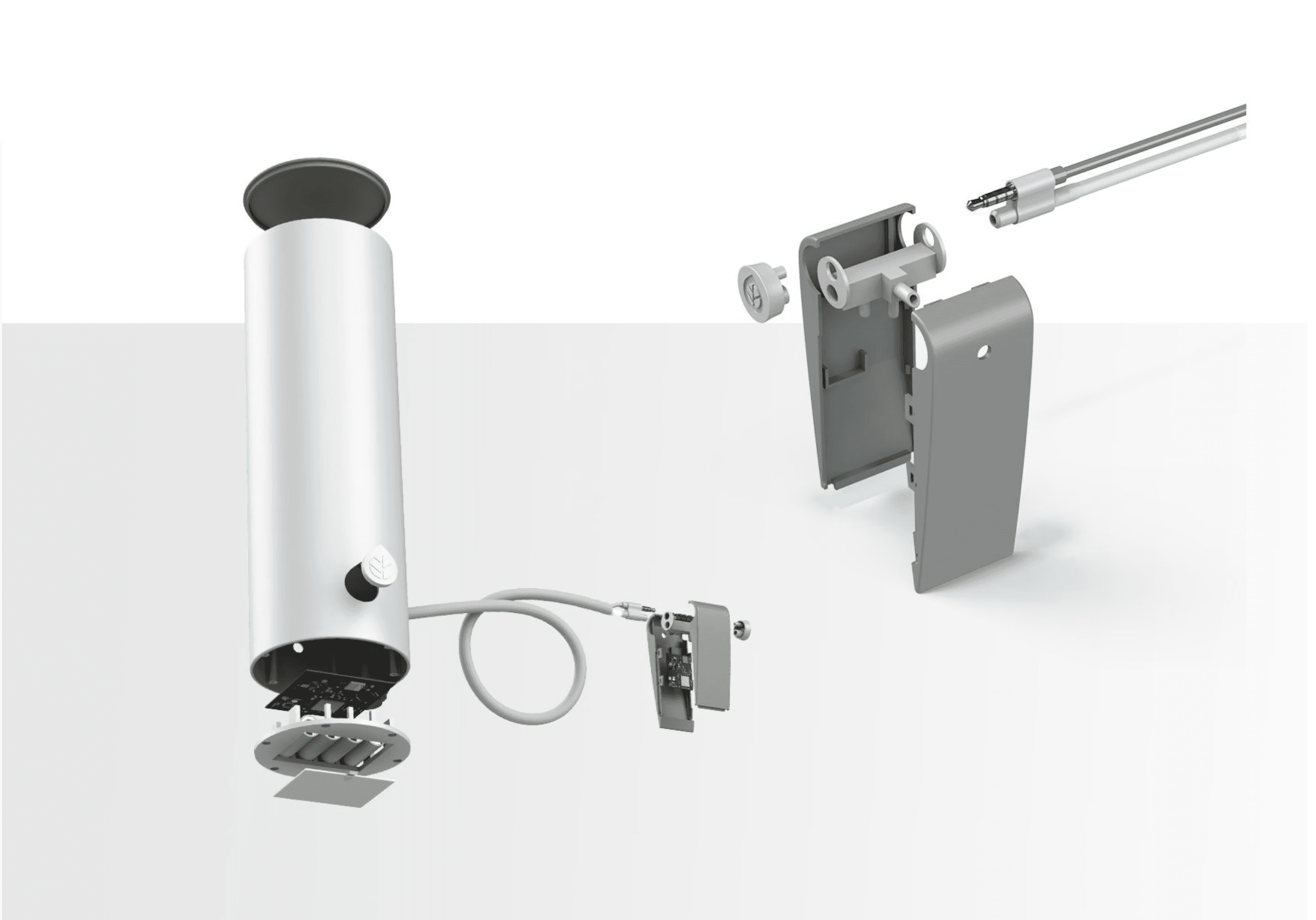
After multiple design iterations and close collaboration with engineers and the manufacturing partner, the final design was fully integrated with the internal mechanical and electronic components.
2017
My Role: Industrial Designer
Problem Statement
Many plant owners struggle to maintain consistent watering routines due to busy lifestyles and frequent travel, which often leads to overwatering or underwatering. Existing irrigation solutions are either too complex to use or visually intrusive for home environments.
Solution
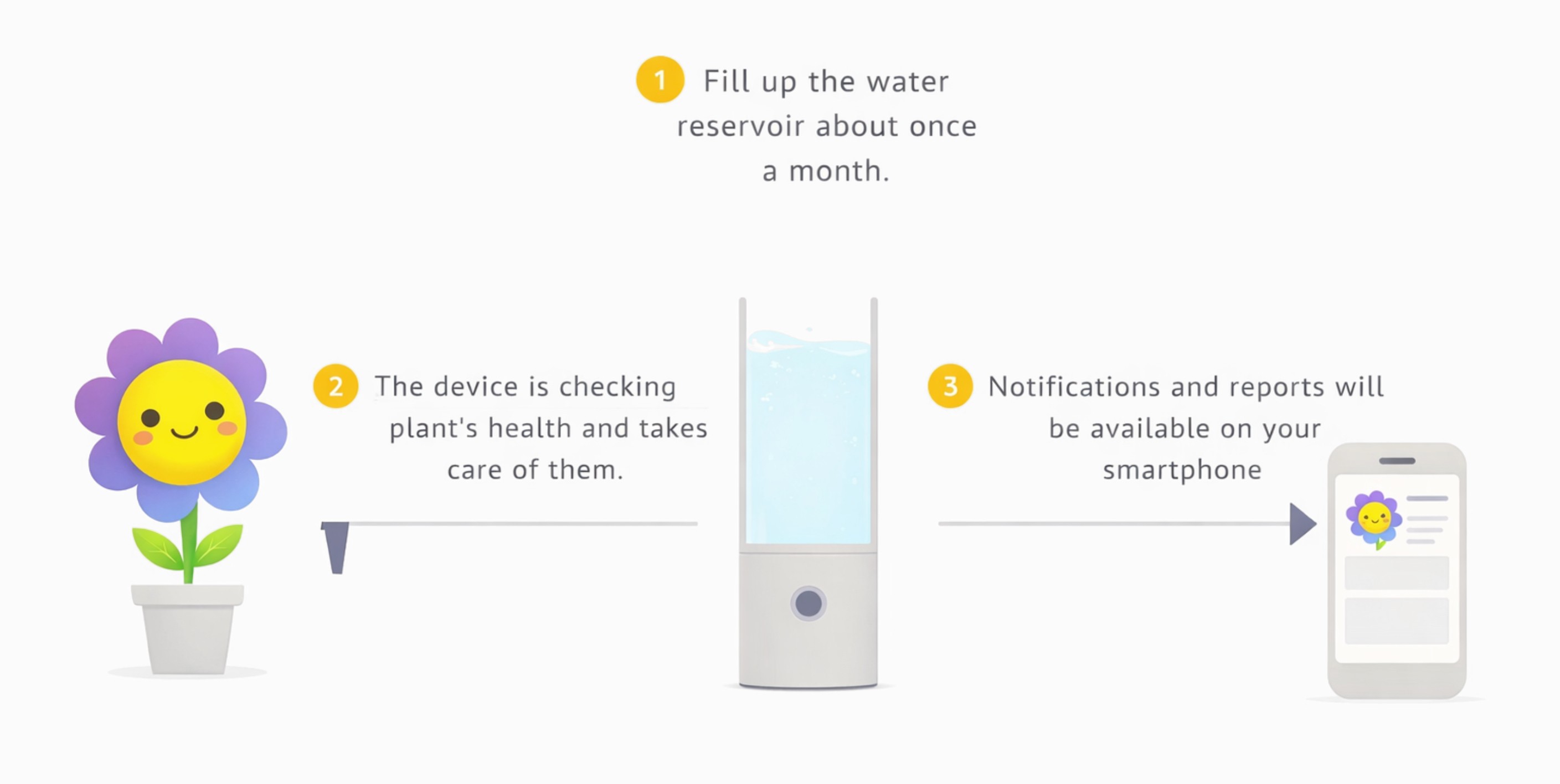
We designed a smart irrigation system that combines a physical device with a mobile application to simplify plant care for everyday users. The system uses integrated sensors to monitor each plant’s condition and automatically adjust watering based on its needs.
Plant data is transmitted to the mobile app, where users can view plant status, receive notifications, and manually adjust settings if needed. Users can also set up automatic watering schedules, allowing plants to be cared for even when they are away from home.
The solution focuses on creating a user-friendly and accessible system, in contrast to complex irrigation systems designed for large-scale or commercial use. The goal was to provide a simple, intuitive, and aesthetically pleasing product that reduces the effort required to maintain healthy plants.
Competitive Analyse
To define the strategic positioning of GROVIO, I conducted a comprehensive competitive audit of three market-leading solutions. By evaluating their strengths and core pain points, I identified a significant 'white space' where industrial aesthetics, smart automation, and a seamless digital UX converge.
Ideation
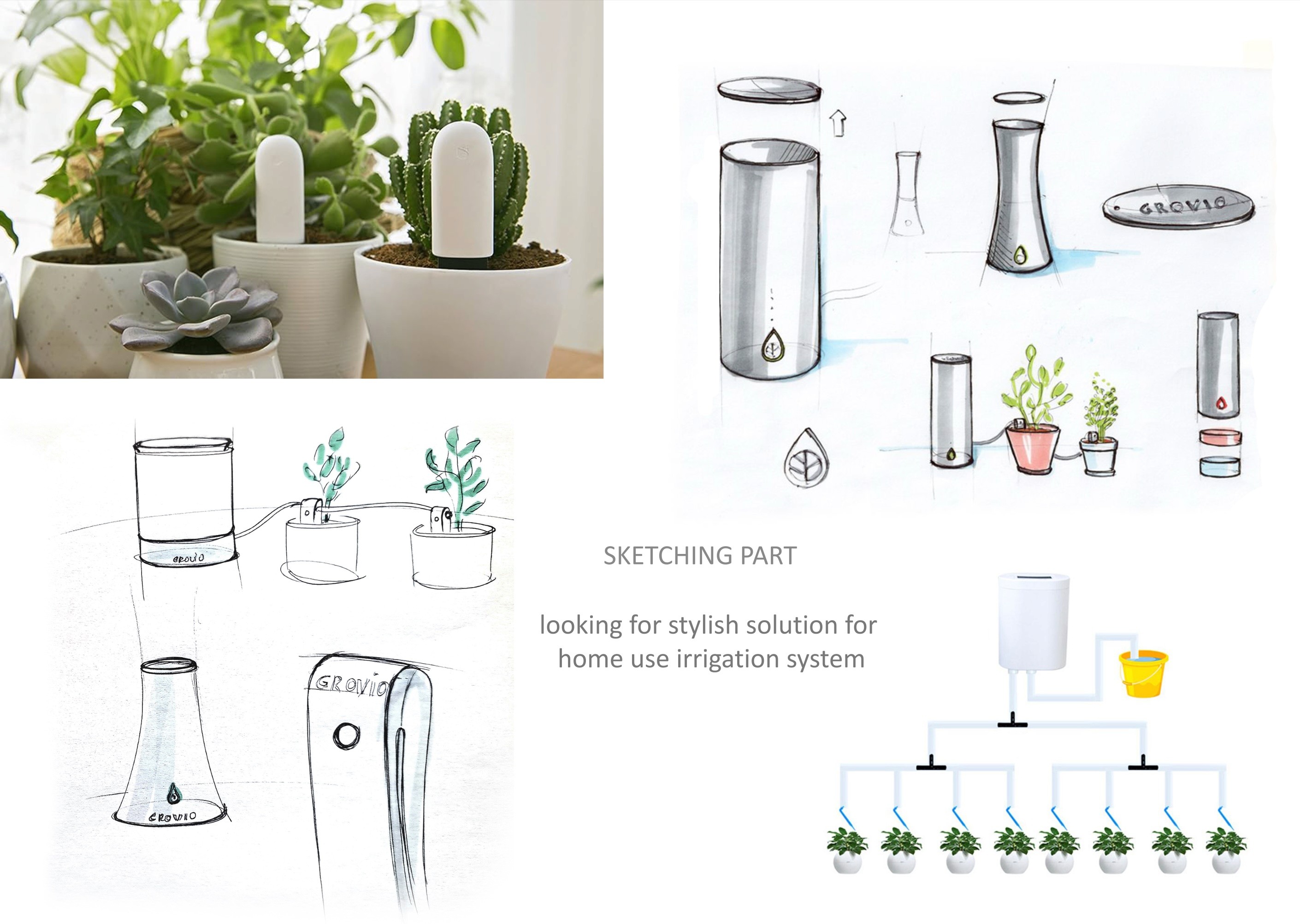
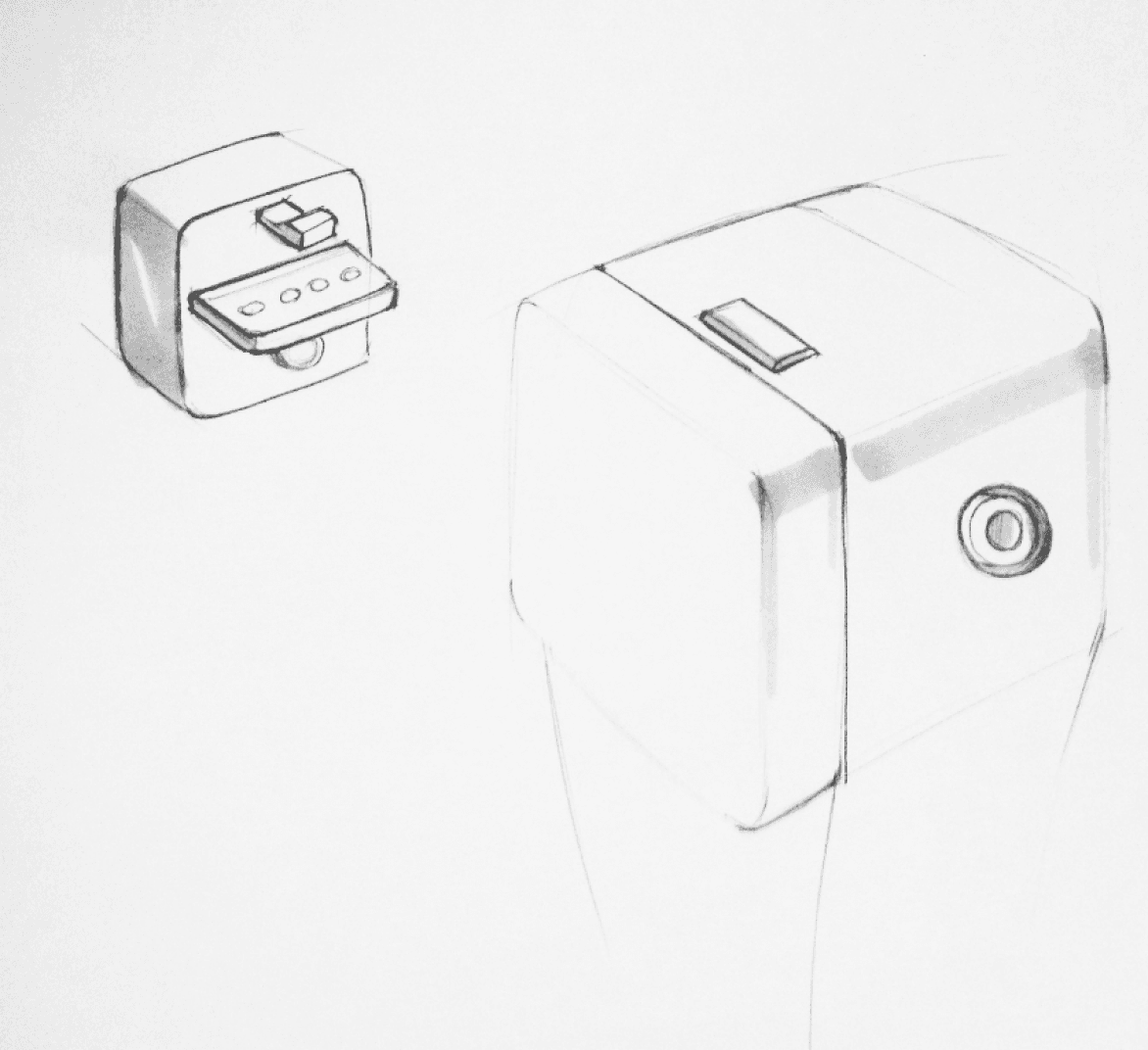
Based on the insights gathered, I began developing the first design concepts, sketching ideas, and creating initial 3D models.
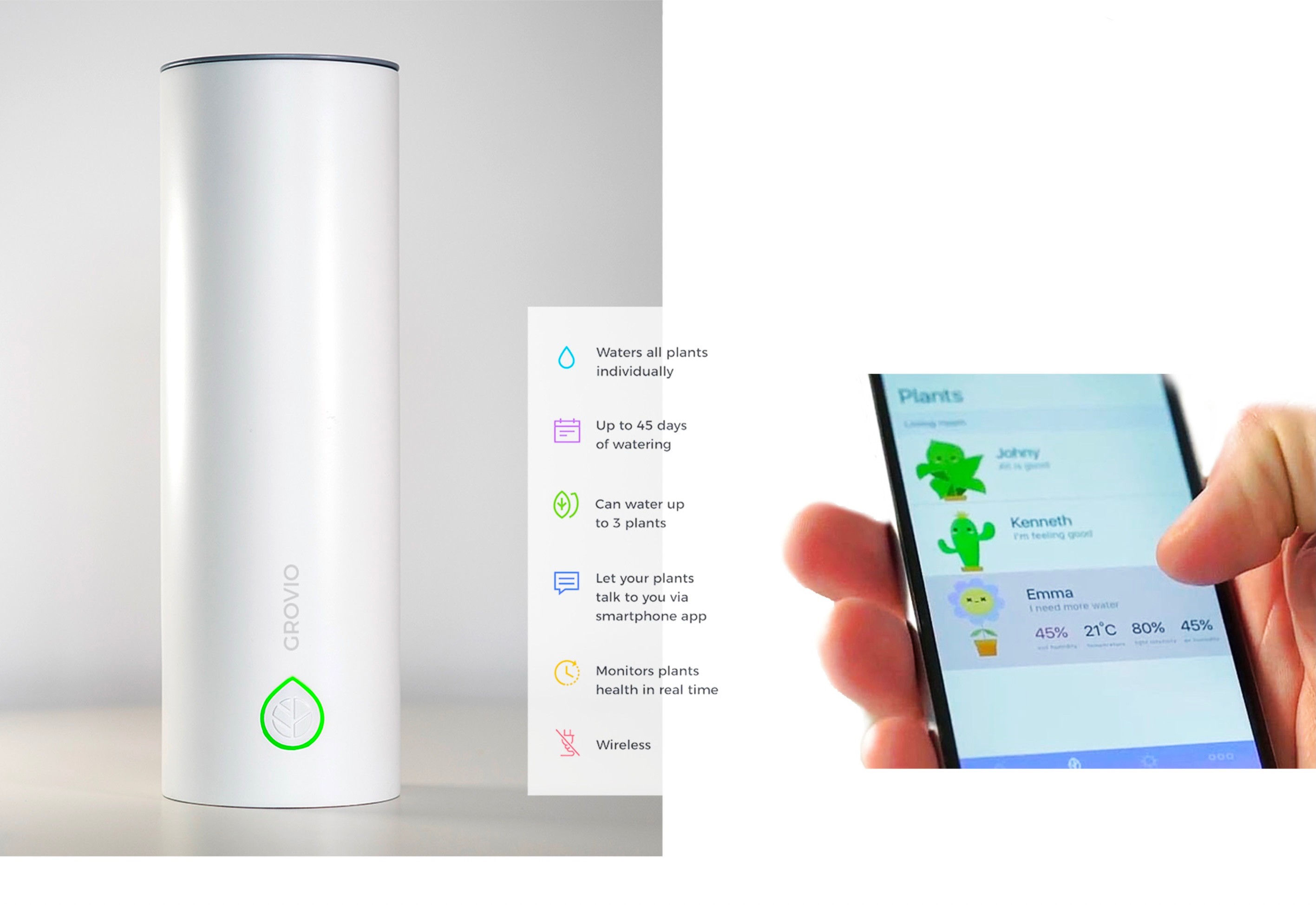
Grovio is a smart irrigation system designed to help plant owners maintain healthy indoor plants through automated watering and real-time monitoring.
Using integrated sensors, the system collects data such as soil moisture, air temperature, humidity, and light levels to determine optimal watering schedules.
The product combines a physical irrigation device with a mobile application that allows users to add multiple plants, monitor their status, and adjust watering parameters.
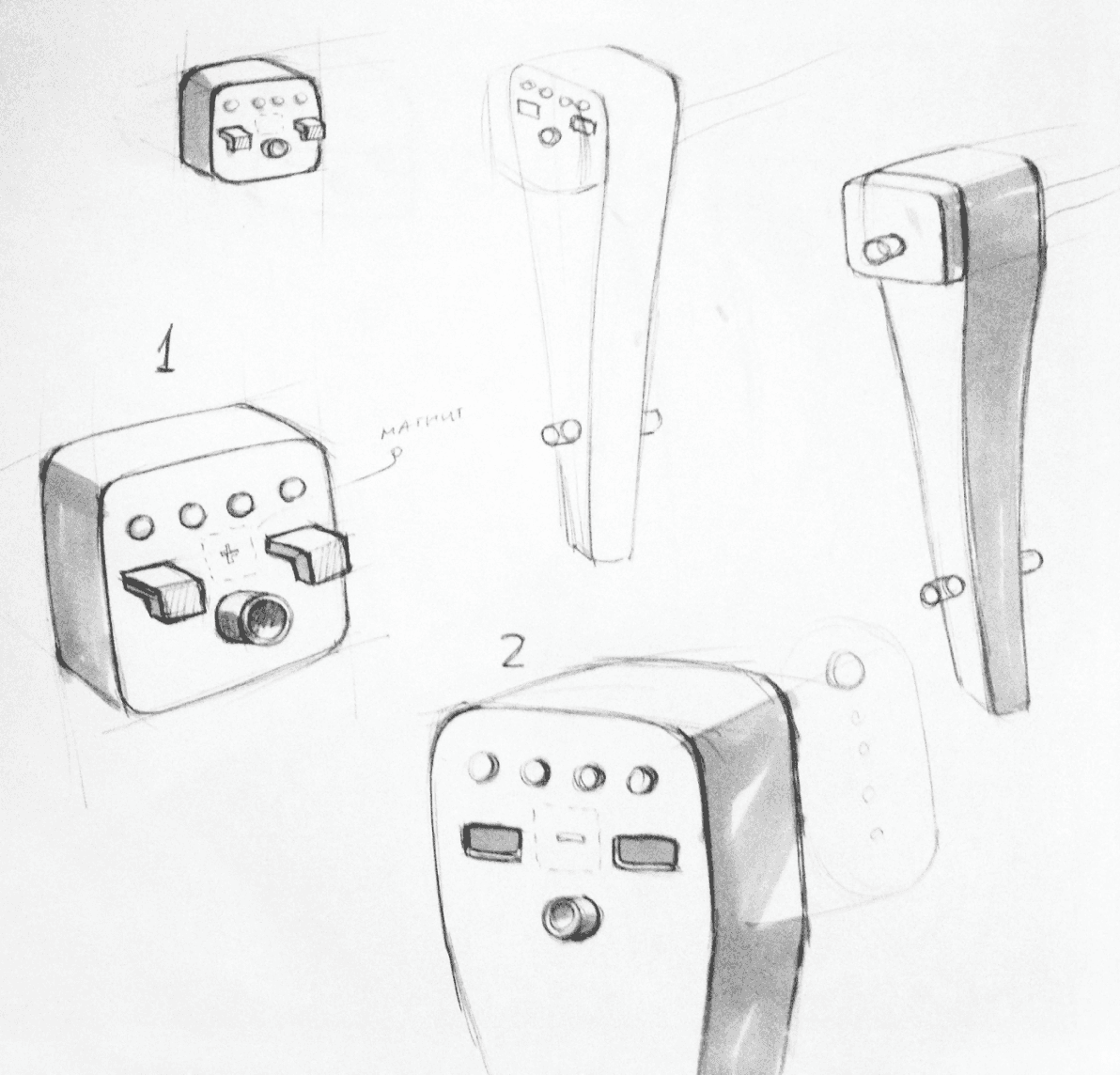
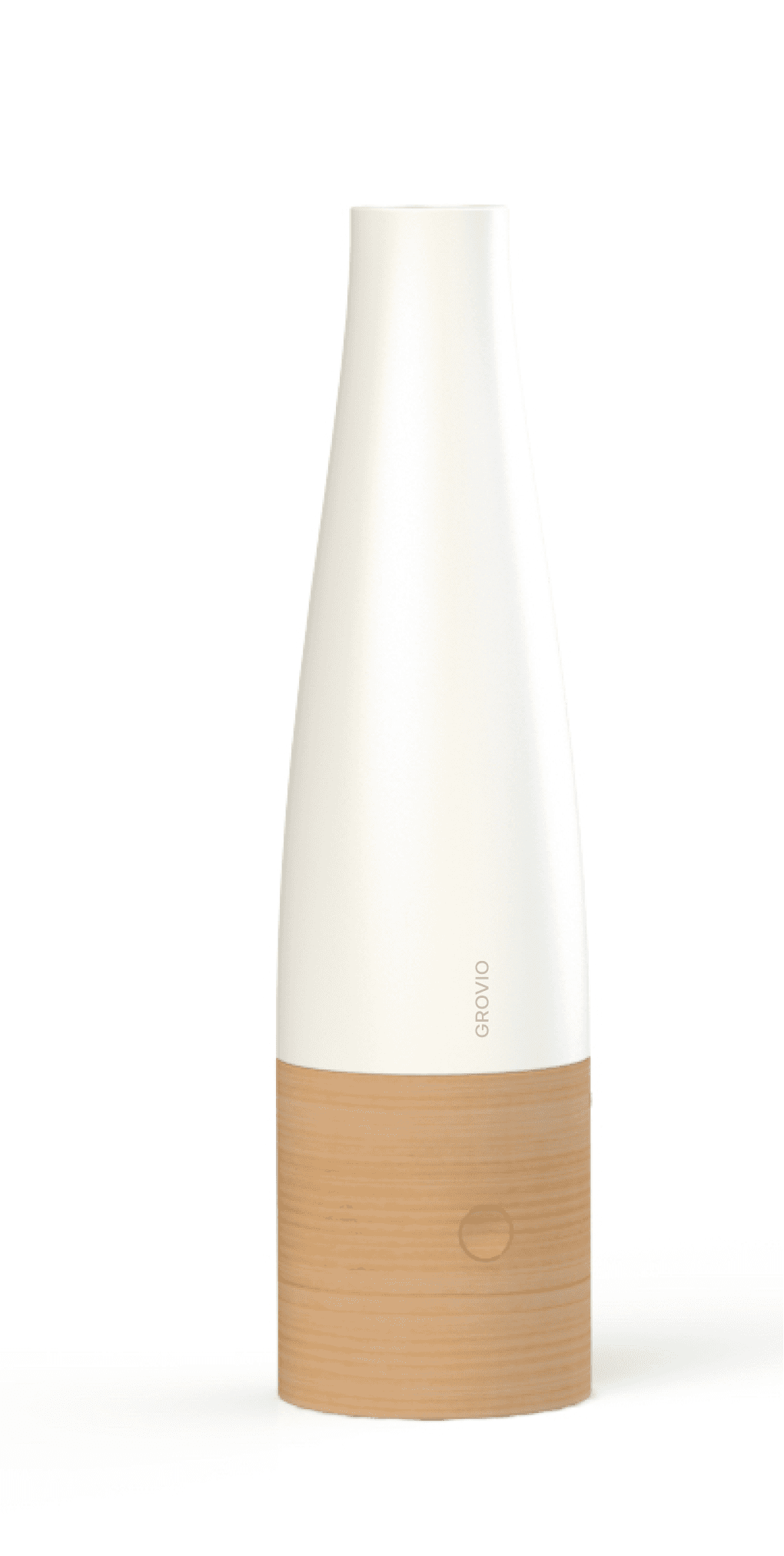
At an early stage, several design concepts were selected and tested with regard to their technological feasibility. The evaluation revealed that the original form of the device required complex manufacturing solutions, making the product costly to produce. As a result, the vase’s form was simplified to balance visual design, technical feasibility, and production costs.
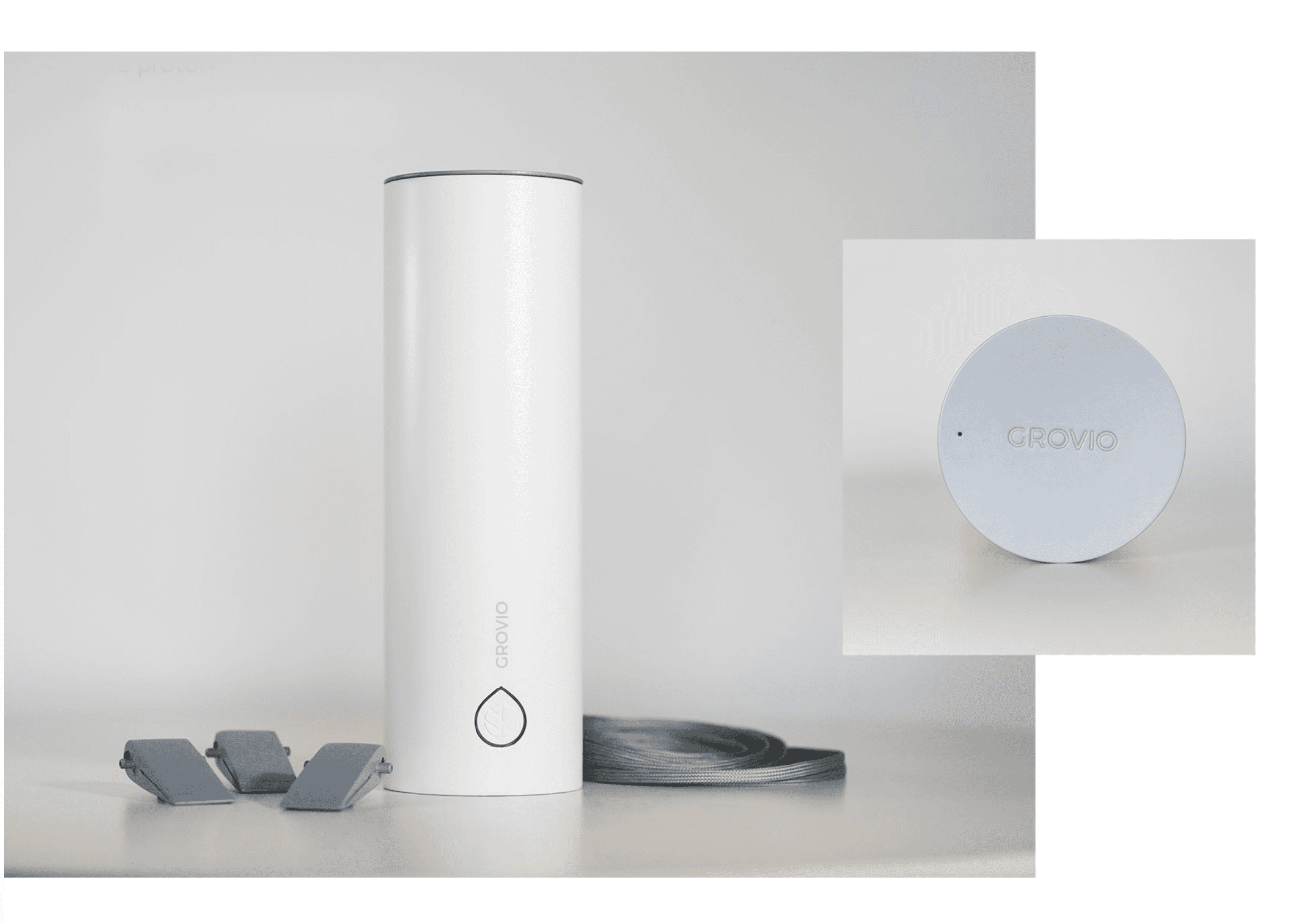
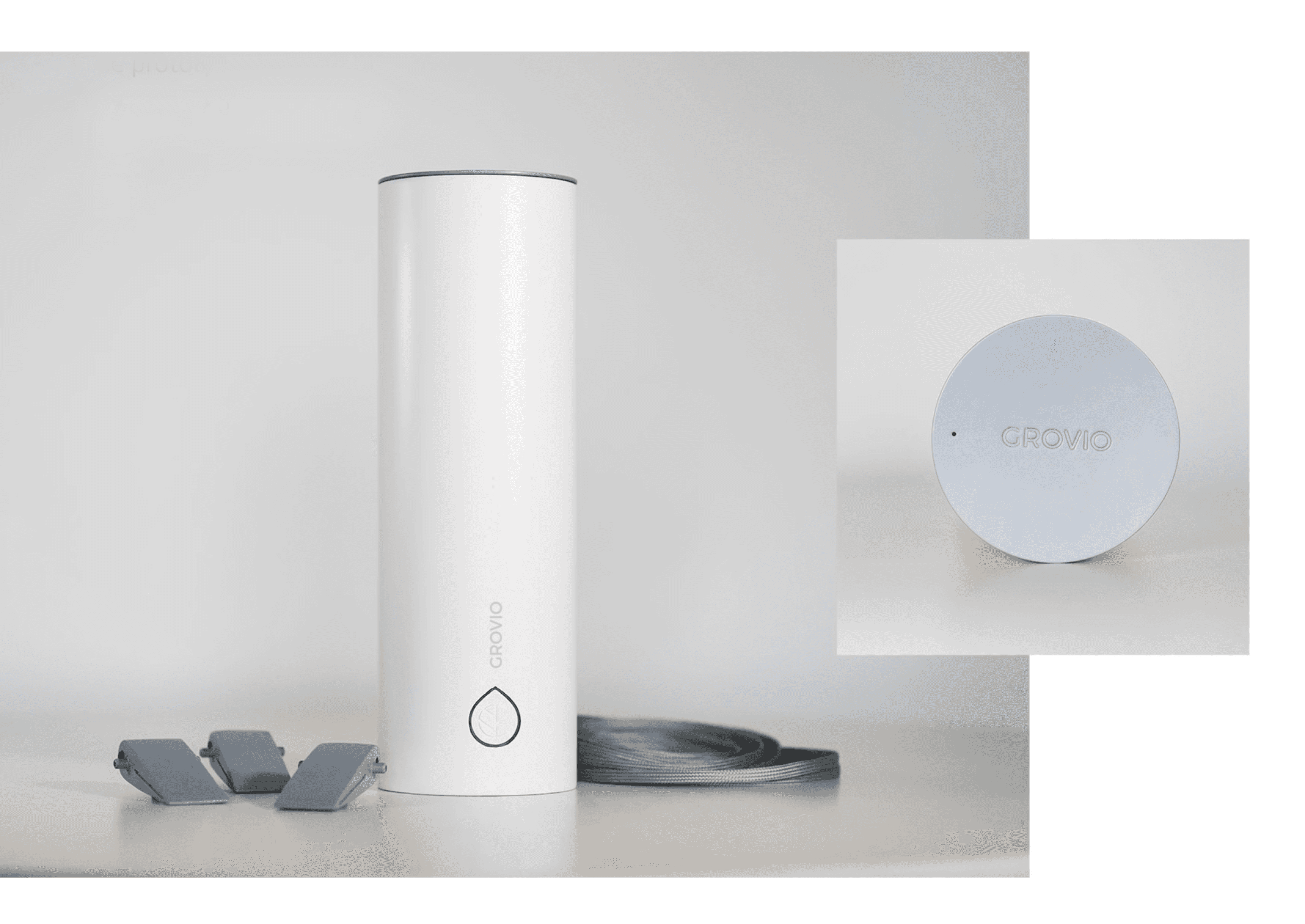
As a result, a minimalist design solution was developed for the water reservoir vase with an integrated pump, as well as for the individual sensors designed for each plant pot. The design focuses on clean geometry, reduced visual complexity, and a cohesive product language, ensuring that the devices blend seamlessly into a home environment while remaining functional and easy to manufacture.
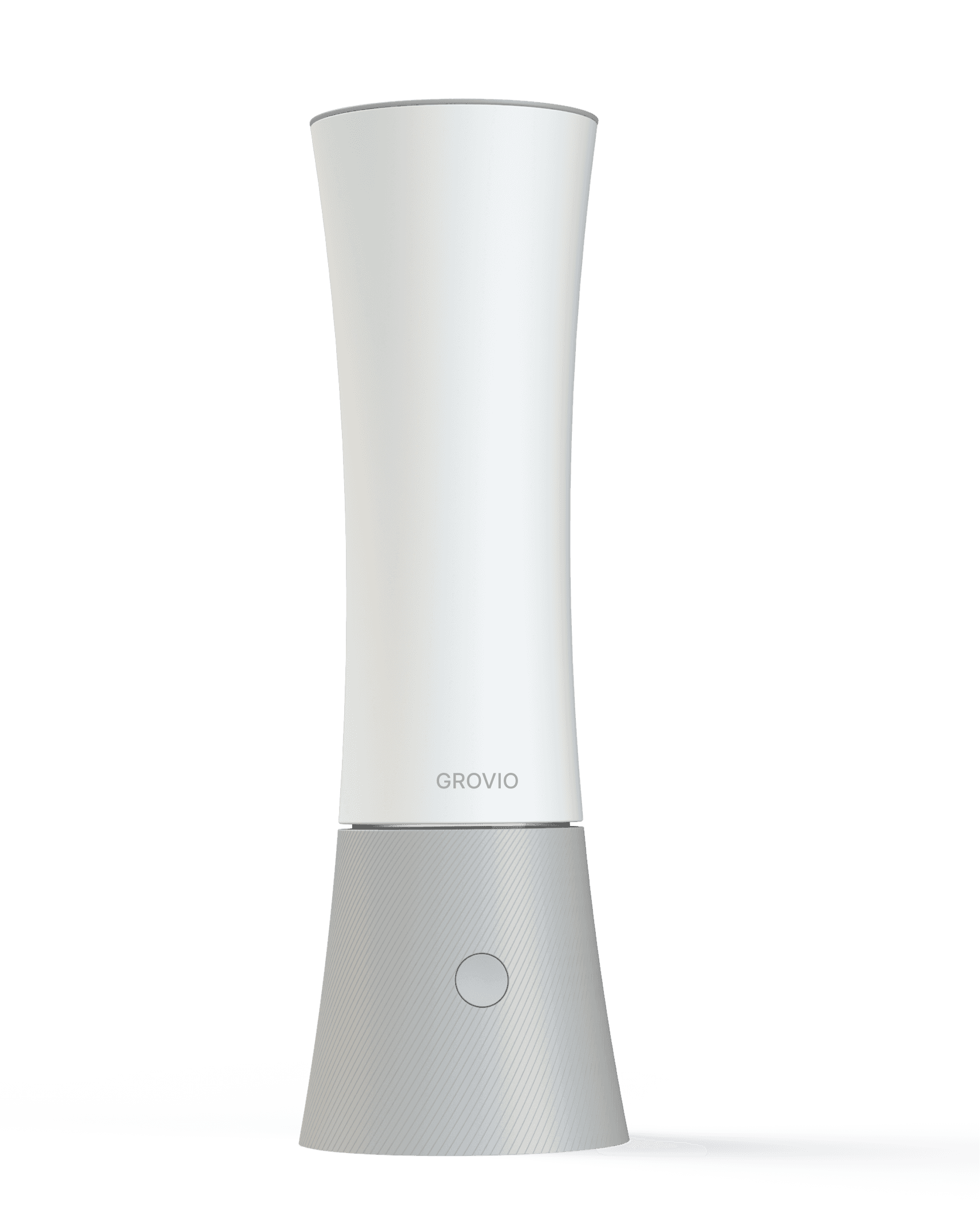
Based on the design developments, a fully functional prototype was created
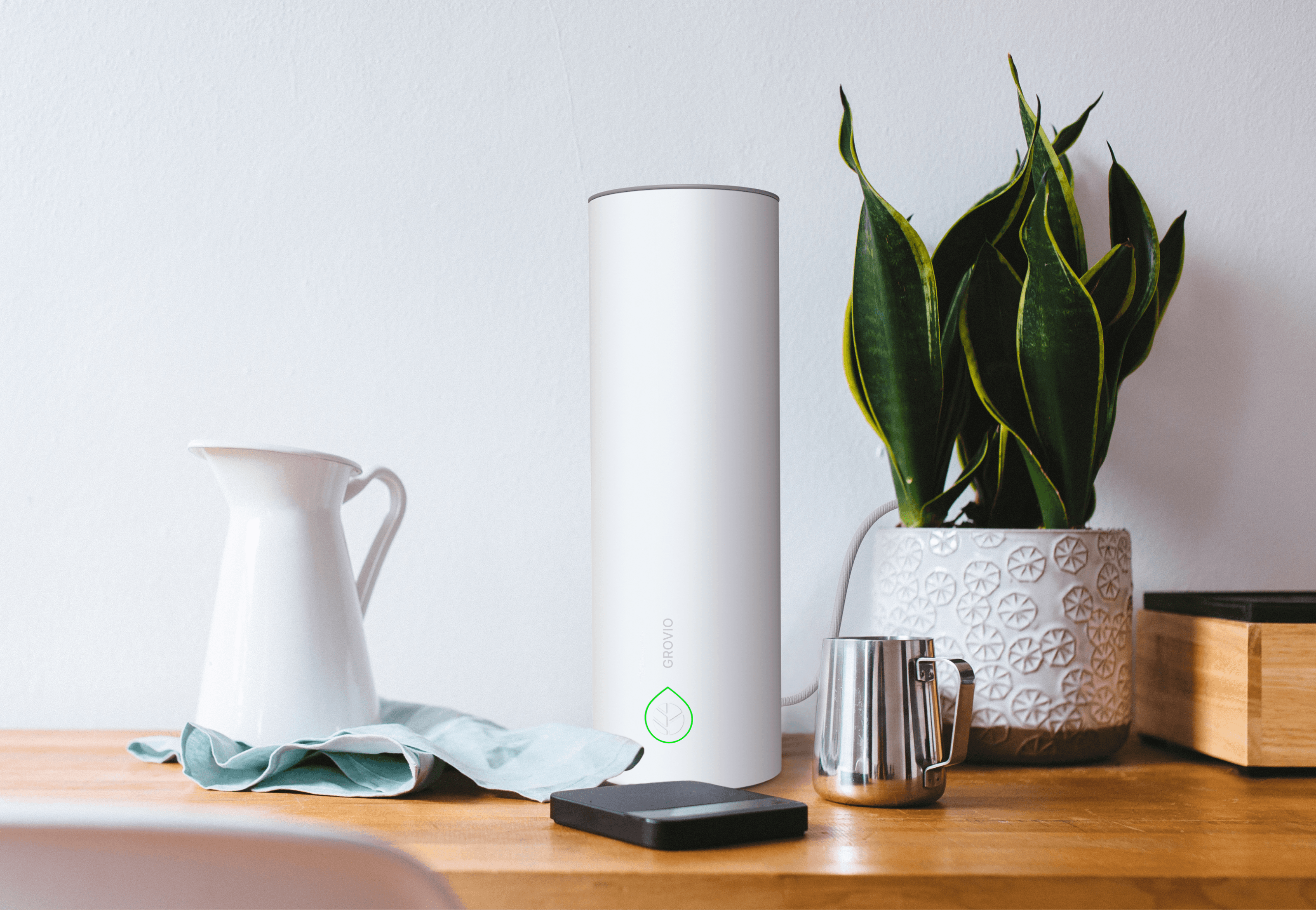
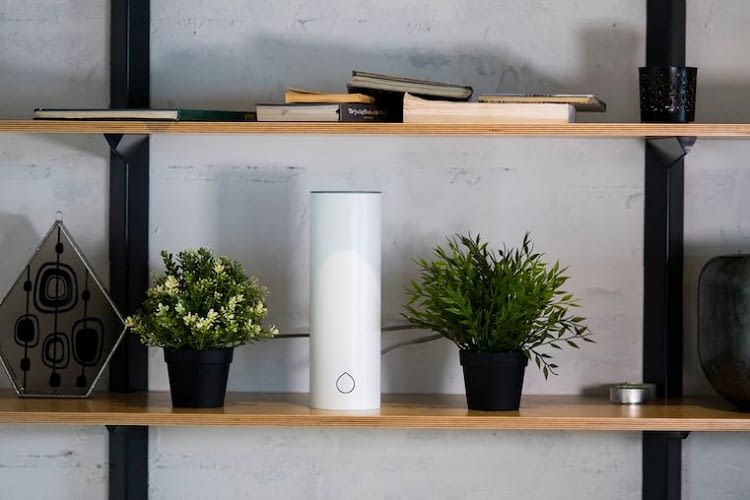
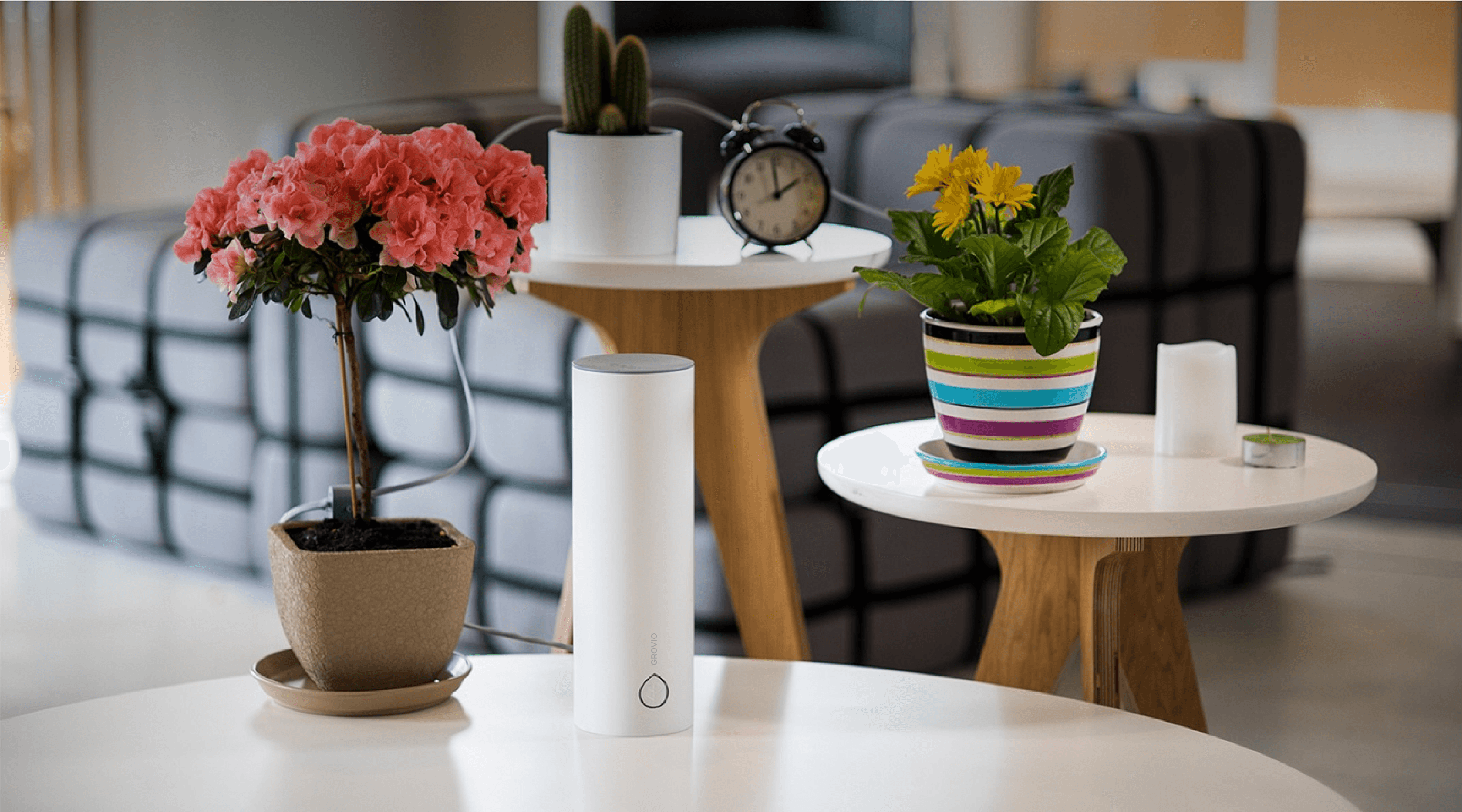
Photos in interior
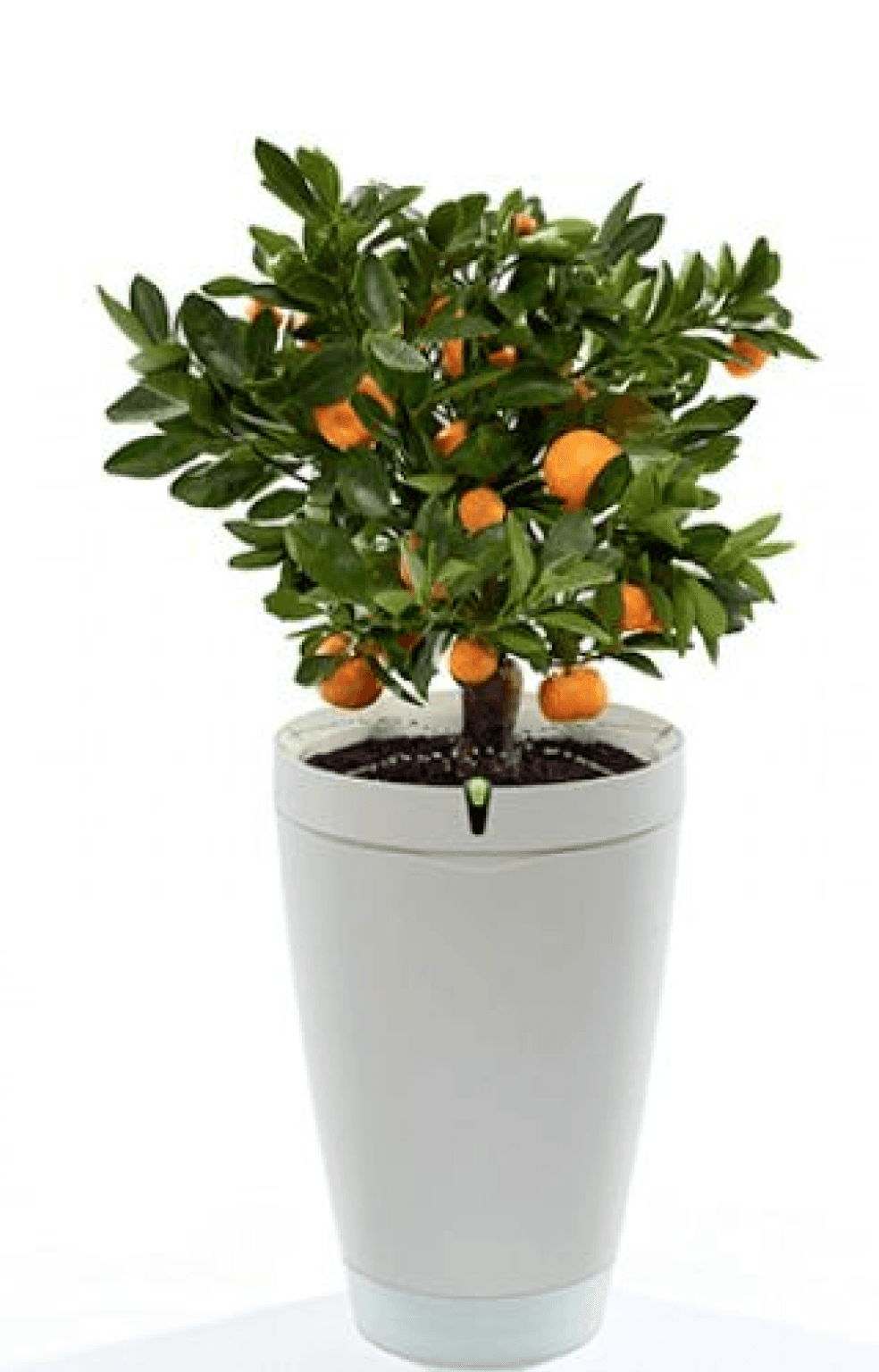
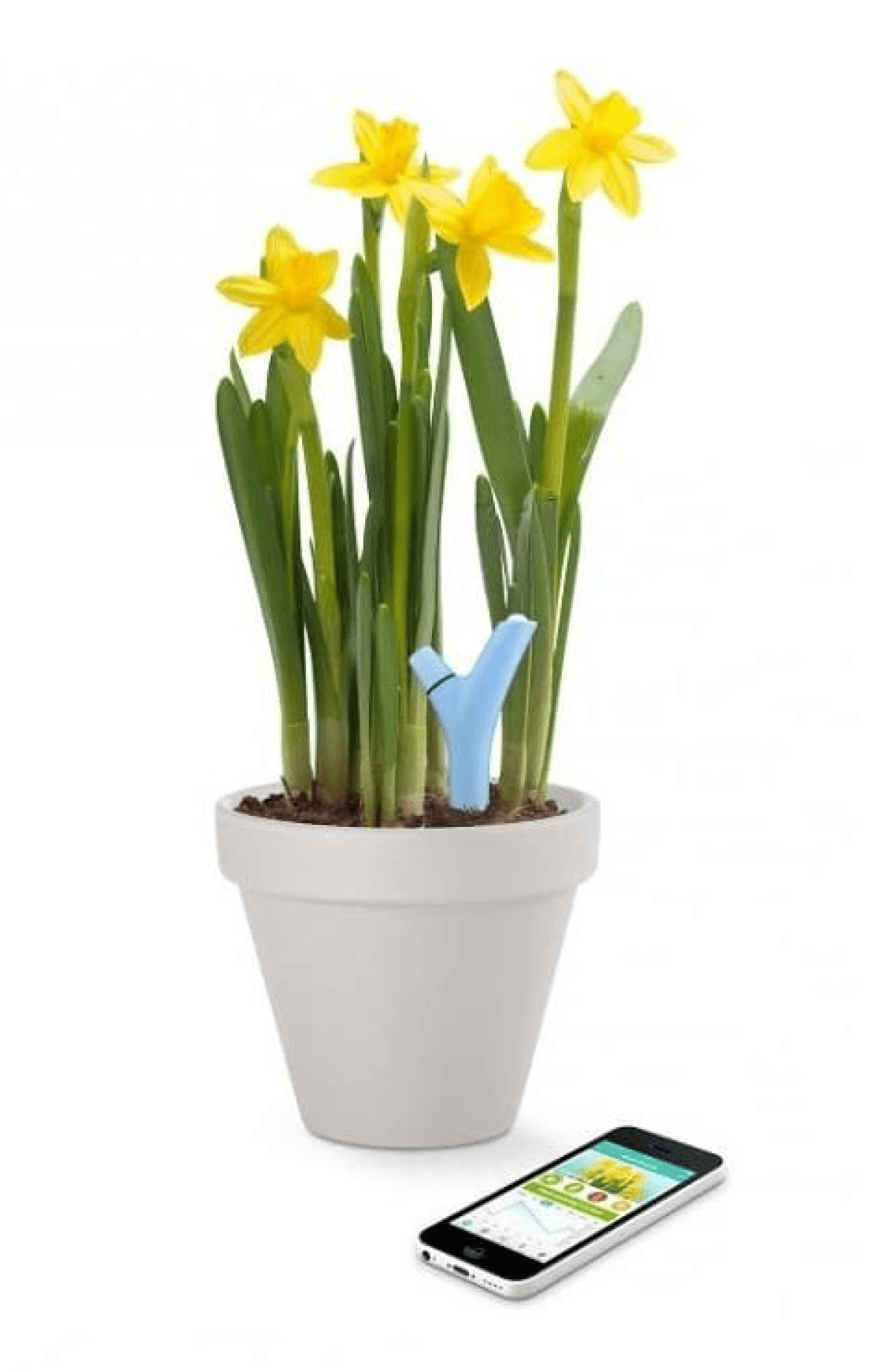
Parrot Pot: High functionality, but limited scalability (one device per plant).
The Problem: High cost and complexity just to water one plant.
GROVIO’s Edge: A single hub that manages multiple plants simultaneously. Efficiency without the clutter.
Flower Power: Deep data insights, but no automated action (passive monitoring).
The Problem: Many sensors only tell you the plant is dying but don't do anything about it.
GROVIO’s Edge: Proactive Care. It combines high-end sensors with an automated watering reservoir.
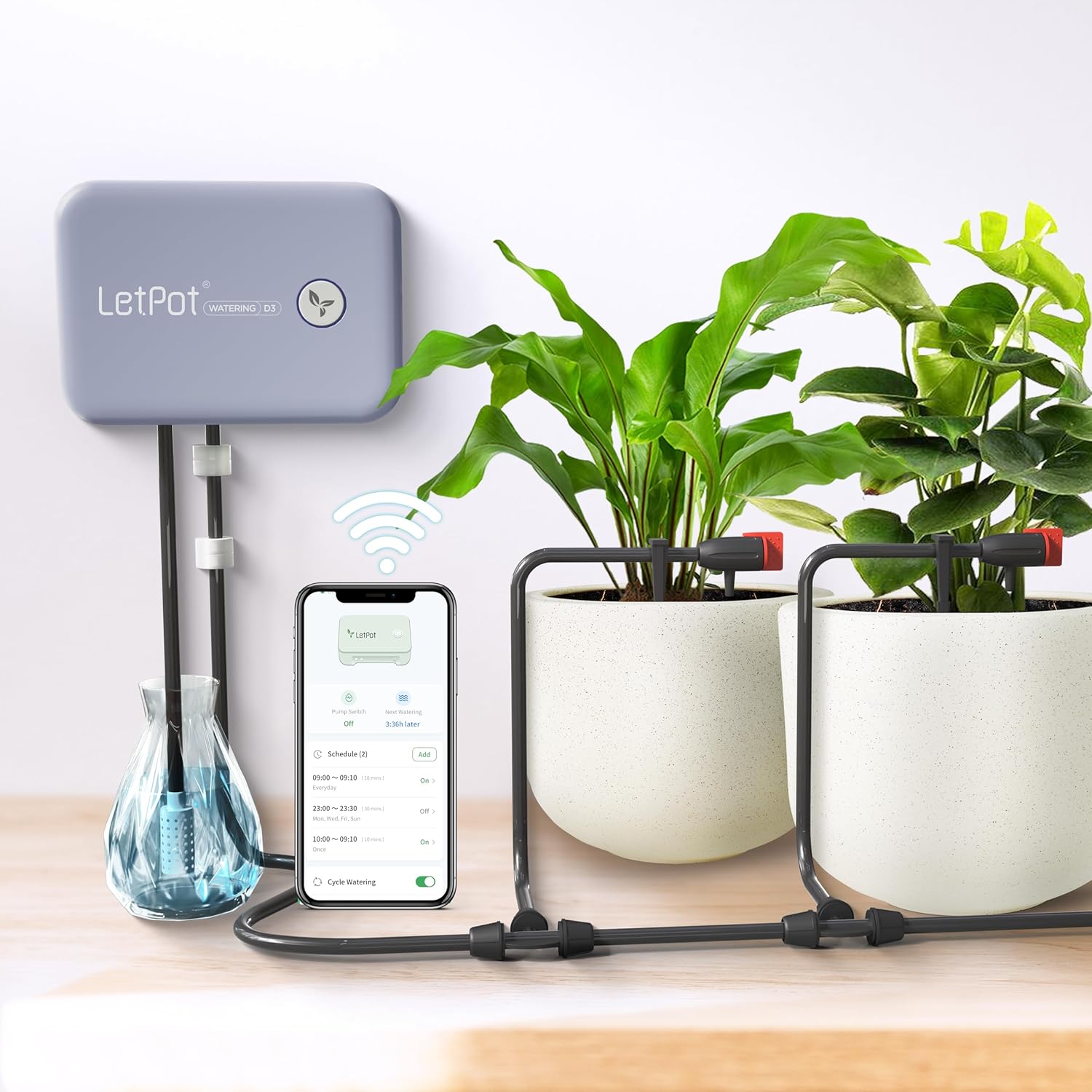
LetPot: Powerful automation, but lacks interior aesthetics (technical clutter).
The Problem: These systems work well but look like a lab experiment, don't fit into a modern living room.
GROVIO’s Edge: Aesthetic Functionalism. It’s designed as an interior object — a sleek vase that hides the complexity while keeping your home beautiful.
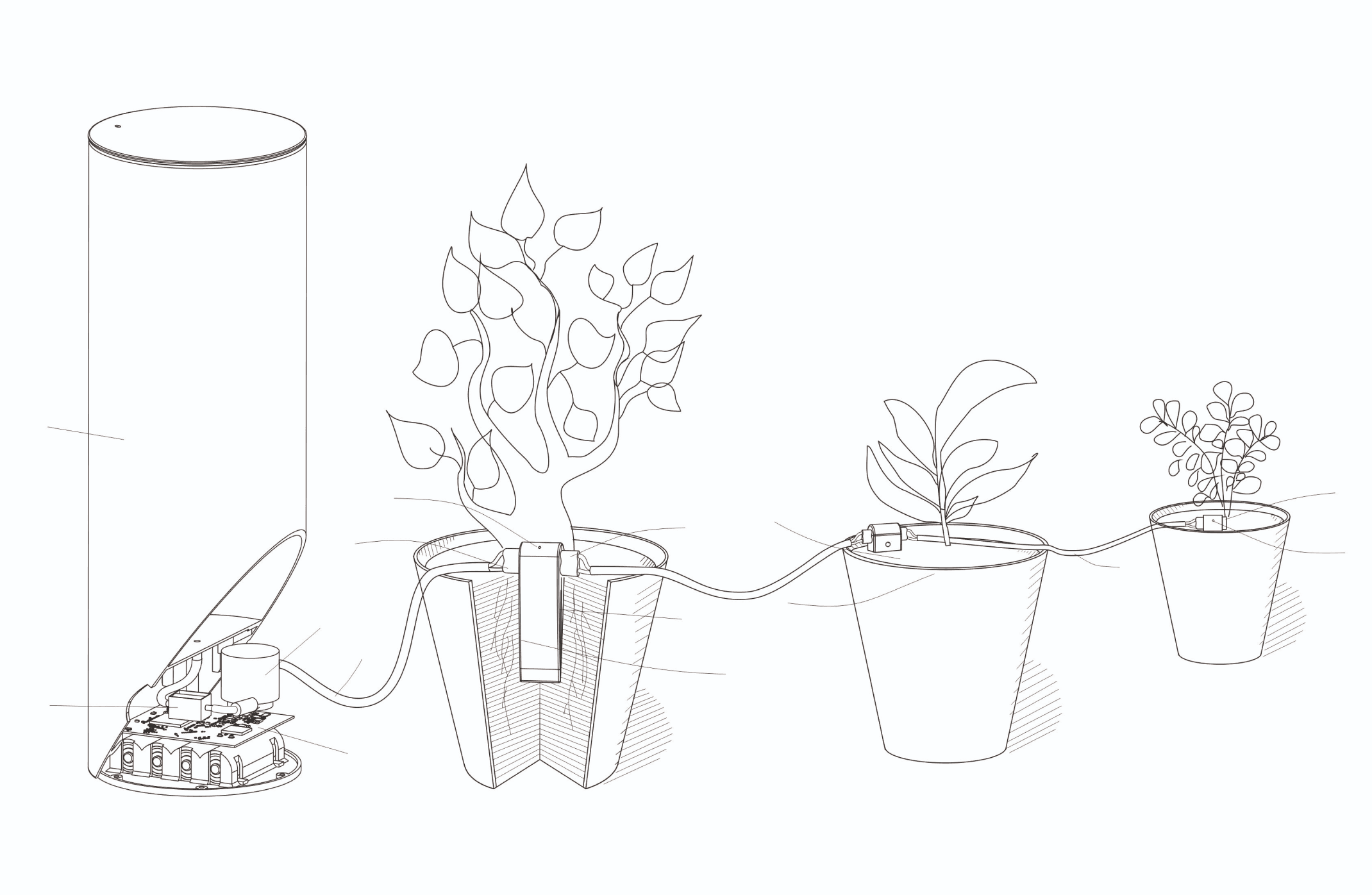
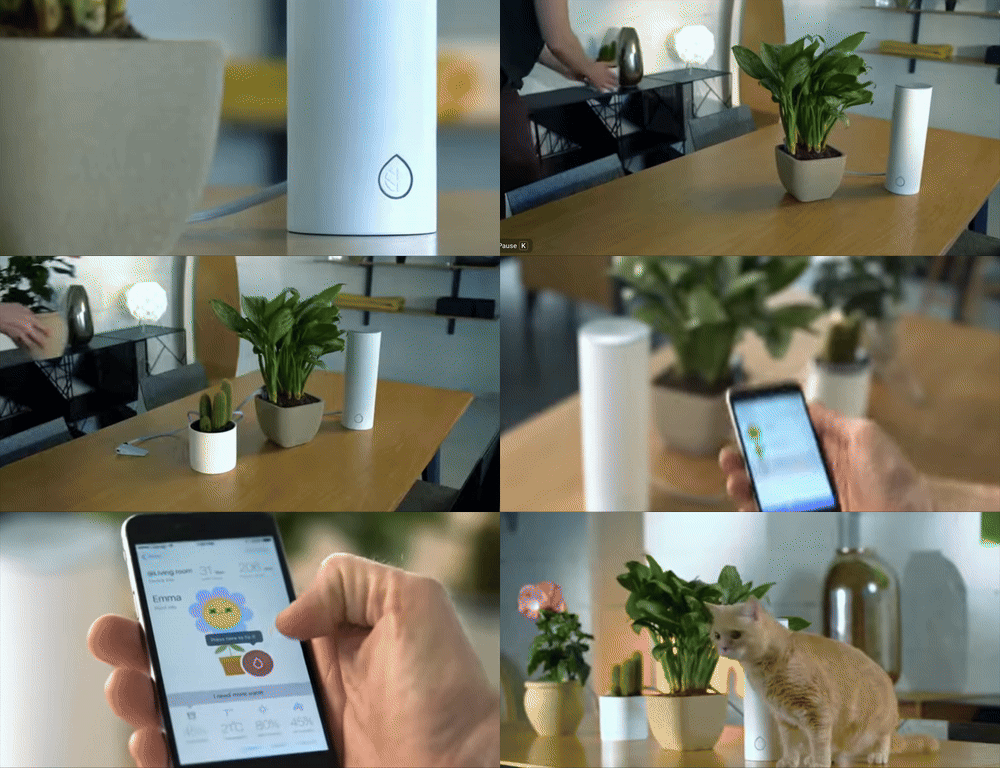
How the product works in practice
Watch on

Featured on:
Rating 9.8 on